


The Data Behind the Headlines in Dubai’s Luxury Property Market 2026
The Dubai real estate market 2026 is making global headlines. According to the Dubai Land Department, transactions in the Dubai luxury real estate market continue to surge. Deals above $5 million increased by more than 60% year-on-year, while trophy penthouses crossed the $100 million mark. Waterfront villas in prime Dubai locations have recorded significant annual appreciation.
This is not speculation. It reflects capital migration to Dubai, as high-net-worth investors reposition wealth into prime real estate in Dubai.
Prime zones leading the charge in Dubai luxury property investment:
- Palm Jumeirah luxury villas – Scarce beachfront inventory
- Jumeirah Bay Island plots for sale – Ultra-limited supply
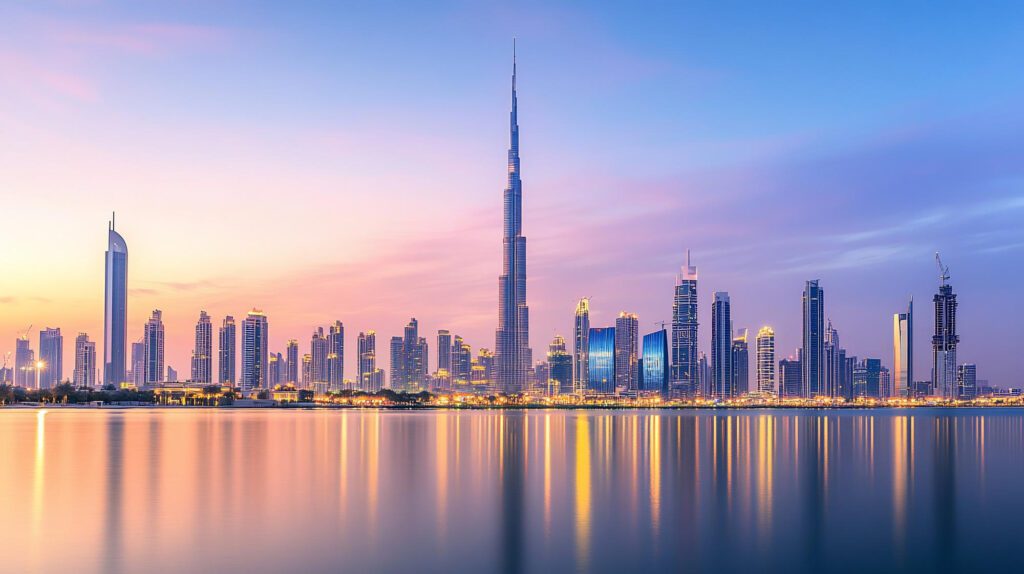
- Downtown Dubai luxury apartments – Iconic skyline assets
- Dubai Hills Estate villas – End-user driven family wealth
This shift represents structural capital movement into ultra-prime properties in Dubai, not short-term speculation.
Why This Dubai Real Estate Cycle Is Different From 2008
1️⃣ End-User Driven Demand in Dubai’s Prime Property Market
Unlike the 2008 speculative cycle, today’s Dubai property market is driven by relocating entrepreneurs, hedge fund managers, family offices, and global founders seeking long-term residency.
This is not flip-driven speculation. It is real residency migration fueling Dubai luxury property investment.
2️⃣ Structural Wealth Inflow into the Dubai Real Estate Market
Dubai continues to position itself as a safe haven real estate market in 2026.
Key structural advantages include:
- Zero property tax in Dubai
- No capital gains tax in Dubai
- Strong legal framework and escrow regulation
- Political neutrality
- Pro-investor regulatory oversight
Compared to London or Singapore, the Dubai luxury real estate market offers competitive returns alongside stronger tax efficiency and regulatory clarity.
This strengthens long-term capital appreciation in Dubai property.
3️⃣ Limited True Prime Supply in Dubai
Waterfront land in Palm Jumeirah and Jumeirah Bay Island is finite. Scarcity remains one of the strongest stabilizers in ultra-prime real estate in Dubai.
Scarcity-driven micro-locations are historically resilient during market cycles.
4️⃣ Residency & Policy Support
The Dubai Golden Visa property investment program continues to attract global capital. Investors are not only buying homes — they are securing geopolitical flexibility and residency security.
This reinforces structural demand in the Dubai luxury property market.
Risks to Monitor in the Dubai Property Market 2026
Prudent capital always assesses downside scenarios.
Segments to monitor include:
- Oversupply in secondary “luxury-labeled” projects
- Branded residence saturation
- Global liquidity tightening
- Speculative off-plan flipping in non-prime zones
However, risk exposure in the Dubai real estate market remains segmented — not systemic.
Ultra-prime trophy assets behave differently from mid-tier speculative launches. Prime real estate in Dubai continues to show resilience due to limited supply and international buyer demand.
Is Dubai Real Estate in a Bubble?
A real estate bubble requires:
- Excessive leverage
- Speculation dominating end-user demand
- Weak regulatory oversight
- Artificial price inflation disconnected from fundamentals
Dubai in 2026 shows:
✔ Strong cash buyers ✔ Regulated escrow structures ✔ Population growth ✔ Real residency migration ✔ Infrastructure expansion
The Dubai real estate market 2026 does not reflect classic bubble characteristics. It reflects maturation as a global wealth hub.
Short-term cooling? Possible. Structural collapse in prime segments? Highly unlikely.
Where Smart Investors Position in Dubai Luxury Real Estate
Smart capital focuses on:
- Scarcity-driven micro-locations
- Established developers with delivery track record
- Assets with rental fallback value
- Exit liquidity potential
- International buyer appeal
Wealth preservation real estate in Dubai prioritizes downside protection alongside long-term capital growth.
Not all luxury assets perform equally. Prime, data-backed Dubai luxury property investments consistently outperform promotional launches.
The Strategic Move for 2026
The Dubai luxury real estate market is evolving from a momentum-driven cycle to a strategic allocation within global portfolios.
For:
- Portfolio diversification
- Currency hedging
- Geopolitical stability
- Long-term capital appreciation
Selective exposure to prime residential property in Dubai remains compelling for high-net-worth investors.
Why Invest Through Coldwell Banker SWAP – Global Luxury Advisory
In high-value markets, access and due diligence matter more than headlines.
We provide:
✔ Data-backed asset evaluation ✔ Access to off-market ultra-prime properties in Dubai ✔ Developer credibility analysis ✔ Rental yield and liquidity modeling ✔ Global portfolio alignment strategy
Luxury investing is not about trends. It is about positioning capital where global wealth is migrating next.
If you are considering entering the Dubai luxury real estate market in 2026, precision and expert structuring matter.
Connect with Coldwell Banker SWAP’s Global Luxury team and structure your next prime Dubai property investment with clarity and confidence.